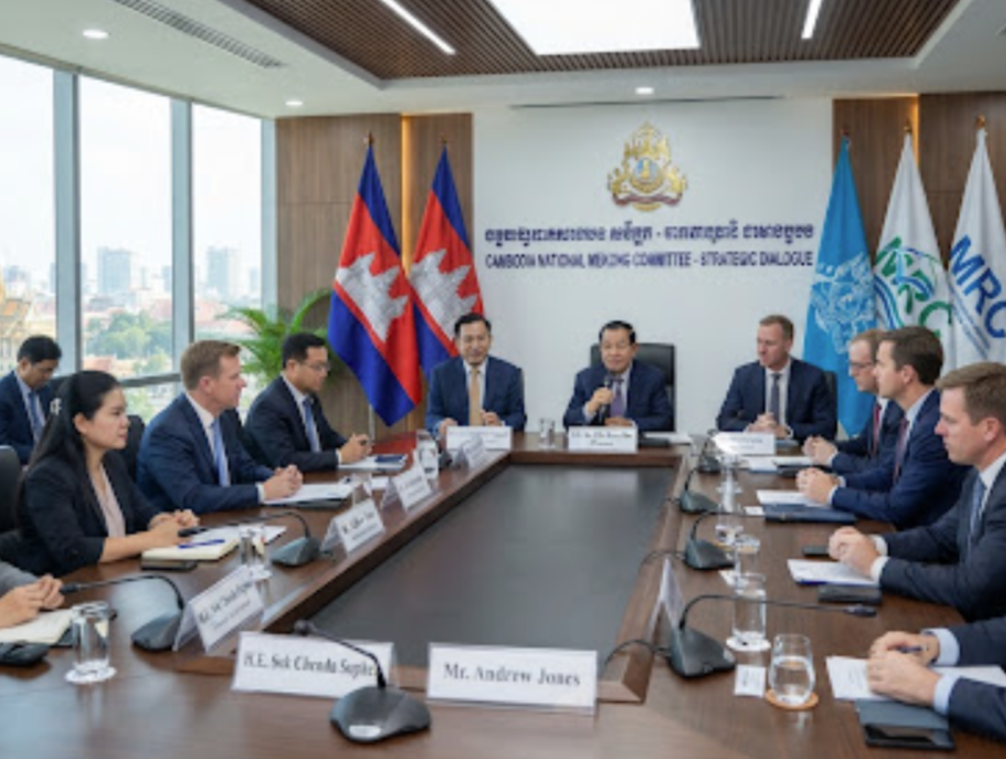
Through these procedures, CNMC works with relevant ministries and institutions to support data exchange, water use monitoring, prior consultation processes, flow-related cooperation, water quality coordination, and Cambodia’s participation in regional dialogue.
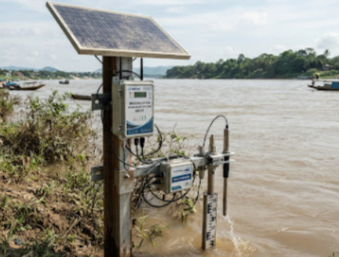
Floods, droughts, and climate change are among the major water-related challenges facing Cambodia. CNMC supports coordination with relevant national agencies and the MRC to improve flood forecasting, drought monitoring, early warning, data sharing, climate adaptation, and disaster preparedness.
This work helps strengthen Cambodia’s ability to understand and respond to changing hydrological conditions, especially in riverine and floodplain communities along the Mekong and Tonle Sap systems.
CNMC also contributes to regional cooperation on climate resilience by supporting technical exchange, knowledge sharing, and coordination on measures that help communities and institutions prepare for water-related risks.
The Mekong and Tonle Sap systems are central to Cambodia’s fisheries, biodiversity, wetlands, ecosystems, and food security. CNMC supports coordination related to fisheries, aquatic ecology, environmental monitoring, sediment, water quality, biodiversity, ecosystem health, and the sustainable management of natural resources.
This work is carried out in cooperation with relevant ministries and technical agencies, and through regional MRC programs, studies, and monitoring systems.
By supporting knowledge sharing and technical coordination in these areas, CNMC helps ensure that Cambodia’s environmental and ecological interests are considered in Mekong cooperation.
Many development sectors depend on the Mekong River Basin, including agriculture, irrigation, navigation, hydropower, transport, tourism, rural development, land use, and infrastructure. CNMC supports coordination among relevant ministries and institutions on water-related sector issues discussed under the MRC framework.
This coordination helps Cambodia participate in regional dialogue and technical processes on development opportunities, potential impacts, shared risks, and sustainable use of water and related resources.
CNMC’s role is to connect sectoral inputs, support inter-ministerial coordination, and help ensure that Cambodia’s technical and policy positions are prepared through appropriate national processes.
CNMC supports stakeholder engagement and public participation in Mekong-related processes. This includes national consultations, technical meetings, workshops, awareness raising, public information, communication activities, and dialogue with ministries, sub-national authorities, communities, civil society organizations, researchers, development partners, and other stakeholders.
CNMC also supports capacity building for national officials, technical agencies, and relevant stakeholders involved in Mekong cooperation. This includes training, technical exchange, regional learning, workshops, study visits, and participation in MRC programs and professional development opportunities.
Partnership is central to CNMC’s work. CNMC coordinates with the MRC, development partners, regional organizations, international institutions, and national stakeholders to support projects, programs, technical studies, institutional strengthening, and knowledge sharing.